Philips Air Fryer Vs Ninja: Comparing Their Flagship Models
Why You Should Trust Us
Most product review websites test a product for a day or two and call it a review. Our approach is different.
We analyse thousands of reviews from online retailers, cooking communities, social media, and forums. We look for patterns — what problems keep showing up across different platforms, what features real owners love after months of use, and where the consensus truly lies. That's how we make our judgment.
📖 Read Our Full Methodology →🎯 Which Should YOU Buy?
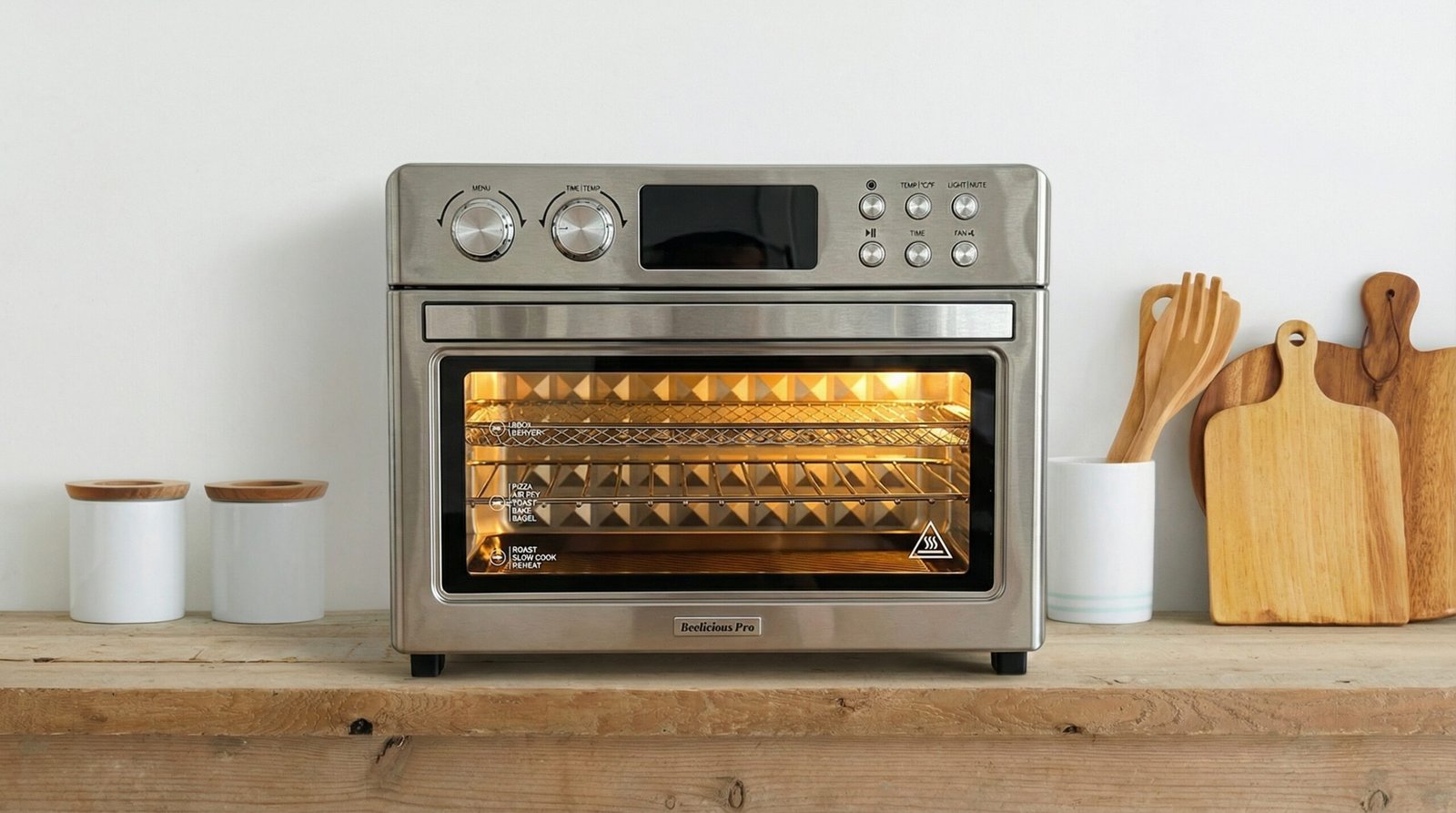
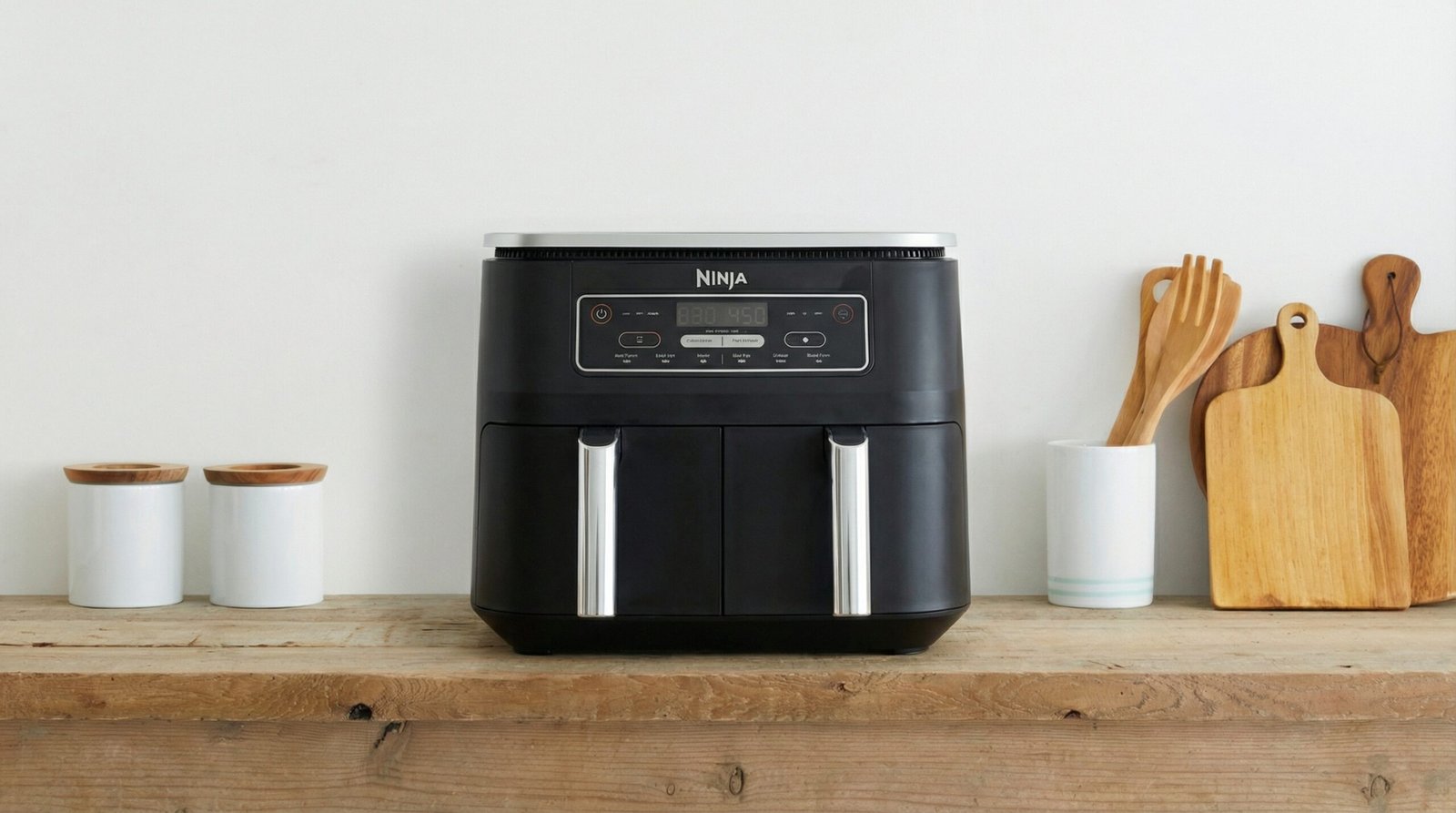
Philips built its air fryer reputation on the original Airfryer patent — the brand that essentially invented the category. Their machines are engineered with Dutch precision and tend to prioritize cooking consistency over raw capacity. Ninja, meanwhile, has bulldozed into kitchen appliances with aggressive product lines, smart features, and a value-first approach that dominates Amazon bestseller lists. Both brands have armies of loyal buyers and plenty of vocal critics.nnToday we're testing two of their most talked-about large-capacity options head-to-head: a 28QT Air Fryer Toaster Oven Combo with Rotisserie (the Product A in this matchup, positioned as a budget family workhorse) against the Ninja Air Fryer DoubleStack SL201, Ninja's vertical dual-zone innovation built specifically for cramped urban kitchens.nnThis is not a fair fight on paper. One is a 28-quart countertop oven with a rotisserie spit. The other is an 8-quart dual-basket air fryer designed to save you counter space. But they're cross-shopped constantly by families who want to cook full meals simultaneously without owning a conventional oven. We pulled data from 14,094 combined verified reviews to find out which one actually delivers.
Cooking Performance
Ninja ✓
Expand ▼
Ease of Cleaning
Ninja ✓
Expand ▼
Build Quality & Design
Ninja ✓
Expand ▼
Versatility & Presets
28QT ✓
Expand ▼
User Experience
Ninja ✓
Expand ▼
Noise Level
28QT ✓
Expand ▼
Value for Money
28QT ✓
Expand ▼
📋 Full Specifications
| Specification | 28QT | Ninja |
|---|---|---|
| Capacity | 28 QT | 8 QT |
| Wattage | 1700 W | 1700 W |
| Weight | 28.5 lbs | 16.5 lbs |
| Temp Range | 100-450 °F | 105-450 °F |
| Presets | 12 | 6 |
| Dishwasher Safe | No | Yes |
⏱️ Cooking Time Race
🔊 Noise Level Comparison
Whisper 50 dB
Quiet office 60 dB
Conversation 70 dB
Vacuum 80 dB
Blender
📅 Total Cost of Ownership
👤 Which Should YOU Buy?
⚠️ Dealbreaker Watch
📐 Countertop Footprint
💬 What Buyers Are Saying
📖 Dive Deeper
🍳 Try These in Your Air Fryer



🏆 Our Verdict
The Ninja DoubleStack SL201 wins this comparison for the majority of buyers. It cooks faster with its Smart Finish sync, occupies 40% less counter space, and its 76% one-year survival rate beats the 28QT's documented hinge failure cliff. For apartment families who batch-cook proteins and sides nightly, the Ninja solves the right problem more reliably.nnBut the 28QT has a genuine use case the Ninja cannot touch. If you need to roast a 6-pound whole chicken on a rotisserie spit, cook 12-inch frozen pizzas flat, or feed 6 people from a single cook session across three racks simultaneously, nothing in the Ninja's toolkit matches that. At $130-$150 with a full accessory bundle, it undercuts comparable Ninja capacity models by $100. The trade-off is accepting a 12-to-18-month appliance rather than a forever machine.nnBuy the Ninja SL201 if you're in an apartment or tight kitchen and cook for 4-6 people most nights. Buy the 28QT if you batch-cook for large families, want rotisserie capability, or need to replace a full countertop oven on a budget. If you want both, budget up to the Ninja Foodi XL.
❓ Frequently Asked Questions
Is the 28QT Air Fryer Toaster Oven or Ninja DoubleStack SL201 better for frozen foods?
Which one is easier to clean?
Are either of these dishwasher safe?
Which is quieter?
Is the price difference worth it?
🔗 Continue Comparing
 VS
VS

 VS
VS
 VS
VS
 VS
VS
 VS
VS
 VS
VS